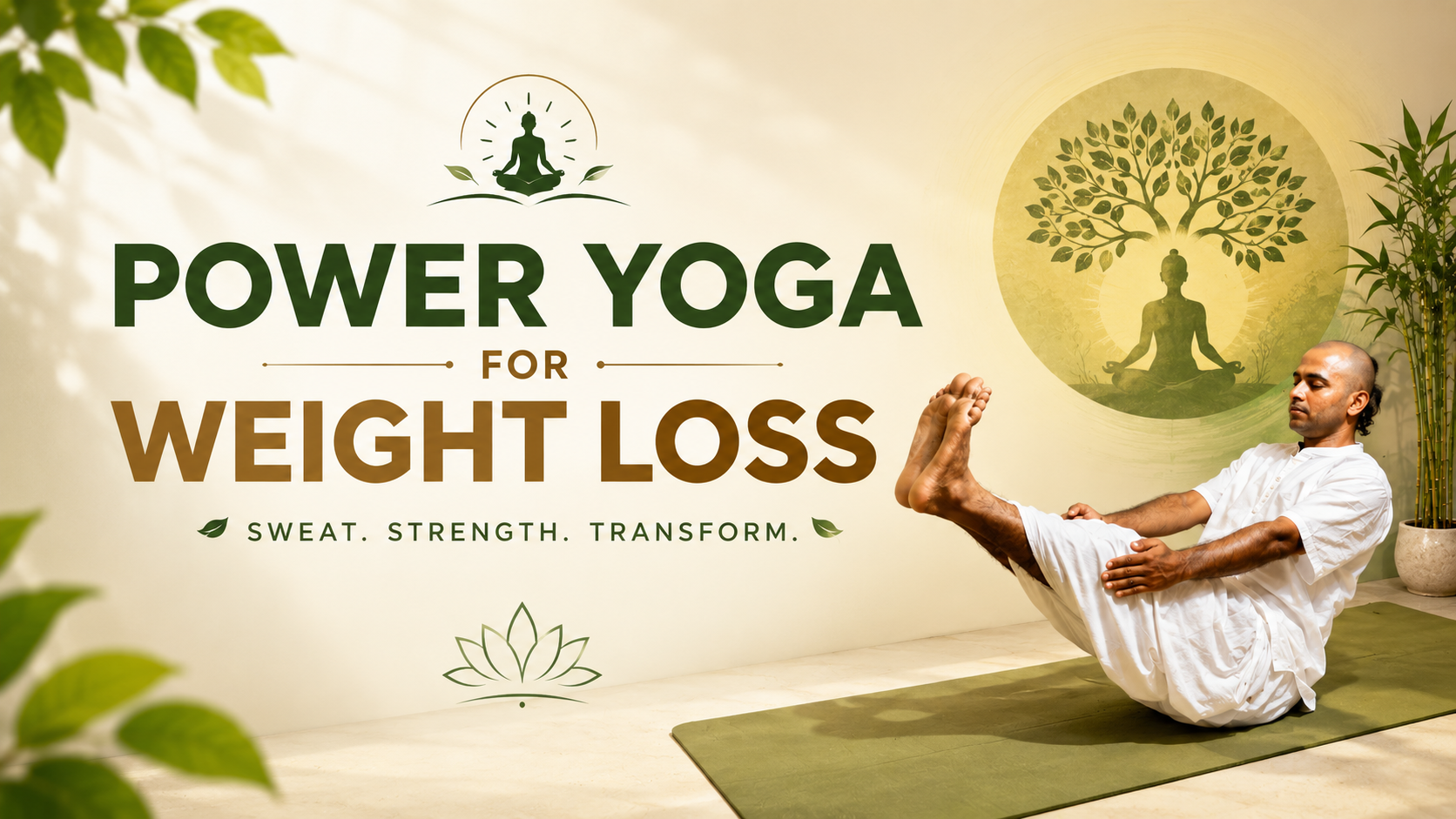

Belly fat is one of the most common fitness concerns, but many people overlook an important factor that often goes hand in hand with it digestive health. If you frequently experience bloating, sluggish digestion, or low energy levels, improving your digestive system may be just as important as increasing physical activity. This is where Yoga Poses to Burn Belly Fat can make a difference.
Yoga is not simply about stretching or relaxation. The right combination of yoga poses can strengthen the core, improve mobility, stimulate digestive organs, and support healthy metabolism. While yoga alone cannot spot-reduce belly fat, it can help create the conditions needed for sustainable weight management and better overall wellness.
The Connection Between Belly Fat and Digestion
Many people focus solely on calorie-burning exercises when trying to lose belly fat. However, digestion plays a major role in how the body processes food, absorbs nutrients, and manages energy. This is why Yoga Poses to Burn Belly Fat are often recommended as part of a holistic fitness routine. These poses not only strengthen the core and increase physical activity but also support healthy digestion, helping the body function more efficiently and maintain overall wellness.
Poor digestive health may contribute to:
- Frequent bloating
- Constipation
- Water retention
- Low energy levels
- Increased cravings
- Uncomfortable abdominal fullness
When digestion functions efficiently, the body is better able to utilize nutrients and maintain overall balance. This is one reason why many yoga practices focus on movements that gently stimulate the abdominal region and digestive organs.
If you’re interested in understanding the relationship between yoga, metabolism, and weight management, you can learn more through this detailed guide on how yoga improves metabolism.
Can Yoga Really Help Burn Belly Fat?
One of the biggest misconceptions is that a single exercise can directly target belly fat. In reality, fat loss occurs throughout the body when you consistently create healthy lifestyle habits.
Yoga Poses to Burn Belly Fat work by:
- Increasing overall physical activity
- Strengthening abdominal muscles
- Supporting healthy digestion
- Reducing stress-related eating habits
- Improving posture and movement
- Encouraging mindfulness
The combination of these benefits can help support long-term weight management.
1. Surya Namaskar (Sun Salutation)
Surya Namaskar is a dynamic sequence of 12 yoga movements that engages the entire body. It combines stretching, strengthening, and breathing techniques to improve flexibility, stamina, and overall fitness. Since multiple muscle groups work together during the sequence, it can help increase calorie expenditure and support weight-management goals. Regular practice also helps improve blood circulation and energizes the body.
How to Practice:
- Stand at the front of your yoga mat with your feet together.
- Bring your palms together in a prayer position.
- Raise your arms overhead and gently bend backward.
- Bend forward and touch your feet.
- Step one leg back into a lunge position.
- Move into plank, then lower into Ashtanga Namaskar.
- Lift your chest into Cobra Pose.
- Move into Downward Dog.
- Return through the same sequence and stand upright.
- Repeat 5–10 rounds.
Benefits:
- Boosts metabolism
- Improves flexibility
- Supports calorie burning
- Enhances blood circulation
- Strengthens the core
2. Naukasana (Boat Pose)
Naukasana is one of the most effective Yoga Poses to Burn Belly Fat because it directly targets the abdominal muscles. The pose requires balance and control, forcing the core muscles to work continuously. It also improves posture and helps strengthen the lower back. Consistent practice can improve overall stability and body awareness.
How to Practice:
- Sit on the floor with your legs stretched forward.
- Keep your back straight and hands beside your hips.
- Slowly lean backward while lifting your legs.
- Extend your arms forward parallel to the floor.
- Balance on your sitting bones.
- Hold the position for 20–30 seconds.
- Return slowly and repeat 3–5 times.
Benefits:
- Strengthens abdominal muscles
- Improves balance
- Builds core endurance
- Supports better posture
3. Ardha Matsyendrasana (Half Spinal Twist)
This seated twist helps stimulate the digestive organs while improving spinal flexibility. The twisting motion creates gentle pressure around the abdomen, which may support digestive efficiency and reduce bloating. It is particularly beneficial for people who spend long hours sitting because it helps release tension in the lower back and waist.
How to Practice:
- Sit with both legs extended.
- Bend your right knee and place the foot outside the left thigh.
- Bend the left leg and bring the foot near the right hip.
- Place your left elbow outside the right knee.
- Twist your torso toward the right.
- Hold for 20–30 seconds.
- Repeat on the opposite side.
Benefits:
- Stimulates digestive organs
- Improves spinal mobility
- Helps reduce bloating
- Relieves back stiffness
4. Pawanmuktasana (Wind-Relieving Pose)
Pawanmuktasana is well known for supporting digestive health and relieving abdominal discomfort. The pose gently compresses the stomach area, which can help stimulate digestion and reduce trapped gas. It is simple enough for beginners and can be practiced daily.
How to Practice:
- Lie flat on your back.
- Bring both knees toward your chest.
- Wrap your arms around your legs.
- Pull the knees gently closer to the chest.
- Keep your head relaxed or lift it toward the knees.
- Hold for 20–30 seconds while breathing deeply.
- Release and repeat.
Benefits:
- Reduces gas and bloating
- Supports digestion
- Relaxes the lower back
- Improves abdominal comfort
5. Utkatasana (Chair Pose)
Chair Pose is a powerful strengthening posture that activates the thighs, glutes, and core muscles. Because large muscle groups are engaged simultaneously, the body expends more energy while maintaining the position. It also helps improve balance and lower-body endurance.
How to Practice:
- Stand with your feet hip-width apart.
- Raise your arms overhead.
- Bend your knees as if sitting in a chair.
- Keep your chest lifted and spine straight.
- Hold the position for 20–45 seconds.
- Return to standing and repeat.
Benefits:
- Strengthens thighs and glutes
- Engages abdominal muscles
- Improves stamina
- Enhances balance
6. Trikonasana (Triangle Pose)
Trikonasana stretches the entire side body while improving flexibility and balance. The pose helps lengthen the torso, engage the core, and improve overall mobility. It may also support digestive function by stimulating the abdominal region through gentle stretching.
How to Practice:
- Stand with your feet wide apart.
- Turn your right foot outward.
- Extend both arms to shoulder height.
- Reach toward the right foot and lower your hand.
- Extend the opposite arm upward.
- Hold for 20–30 seconds.
- Repeat on the other side.
Benefits:
- Improves flexibility
- Strengthens the core
- Enhances posture
- Supports digestion
7. Bhujangasana (Cobra Pose)
Bhujangasana is a gentle backbend that helps open the chest and strengthen the spine. It stretches the abdominal area while improving posture and flexibility. This pose is especially helpful for people who spend long hours sitting or working at a desk.
How to Practice:
- Lie on your stomach.
- Place your palms under your shoulders.
- Press gently into your hands.
- Lift your chest while keeping your pelvis grounded.
- Look forward and breathe normally.
- Hold for 15–30 seconds.
- Lower slowly and repeat.
Benefits:
- Strengthens the spine
- Opens the chest
- Stretches abdominal muscles
- Supports digestive health
8. Setu Bandhasana (Bridge Pose)
Bridge Pose strengthens the lower body and core while creating a gentle stretch across the abdomen and chest. It improves posture, circulation, and overall body awareness. Regular practice can contribute to improved flexibility and physical strength.
How to Practice:
- Lie on your back with knees bent.
- Place your feet hip-width apart.
- Keep your arms alongside the body.
- Press your feet into the floor.
- Lift your hips toward the ceiling.
- Hold for 20–30 seconds.
- Lower slowly and repeat.
Benefits:
- Strengthens the core
- Improves circulation
- Enhances flexibility
- Supports digestive activity
Why Stress Matters More Than You Think
Many people trying to lose belly fat focus only on physical activity. However, stress can significantly influence body weight and digestive health.
When stress levels remain elevated:
- Sleep quality may decrease
- Cravings may increase
- Emotional eating may become more common
- Digestive issues may worsen
Yoga combines movement with mindful breathing, helping calm the nervous system and promote relaxation. This holistic approach is one reason many people find yoga sustainable compared to intense workout programs.
A Simple Daily Yoga Routine
If you’re wondering how to combine these Yoga Poses to Burn Belly Fat, following a structured routine can make your practice more effective and easier to maintain. Instead of performing random poses each day, a well-planned sequence helps target core strength, flexibility, digestion, and overall fitness in a balanced way. Even dedicating just 15–20 minutes every morning can help you build consistency and gradually work toward your wellness goals. If you’re wondering how to combine these Yoga Poses to Burn Belly Fat, try this beginner-friendly routine:
Morning Routine (15–20 Minutes)
- Surya Namaskar – 5 minutes
- Utkatasana – 2 minutes
- Naukasana – 2 minutes
- Trikonasana – 2 minutes
- Ardha Matsyendrasana – 2 minutes
- Pawanmuktasana – 2 minutes
- Deep breathing – 3 minutes
This sequence targets mobility, digestion, core strength, and overall fitness.
Common Mistakes to Avoid
Many people start practicing yoga with enthusiasm but become discouraged when they do not see immediate results. In most cases, the issue is not the yoga practice itself but certain habits that prevent progress. Understanding and avoiding these common mistakes can help you get the maximum benefit from your Yoga Poses to Burn Belly Fat routine and create a more sustainable fitness journey.
Avoid These Mistakes:
- Practicing inconsistently
- Ignoring proper breathing
- Relying on yoga alone while neglecting nutrition
- Expecting overnight fat loss
- Skipping warm-ups and recovery
Consistency and patience remain the most important factors in any wellness journey.
For more yoga insights, wellness tips, and educational resources, explore the collection of articles available on the Yogacharya Ravinder blog.
Building a Sustainable Yoga Practice
The true power of yoga lies in consistency rather than intensity. Many people begin with ambitious fitness goals but struggle to maintain routines that feel overwhelming or unrealistic. A sustainable yoga practice focuses on gradual progress, mindful movement, and long-term wellness rather than quick results. By making yoga a regular part of your lifestyle, you can experience lasting benefits that extend far beyond physical fitness.
Instead of focusing only on appearance, aim to:
- Improve flexibility
- Build strength
- Enhance digestion
- Increase energy levels
- Reduce stress
- Develop healthy habits
A balanced approach often produces better long-term results than extreme diets or high-intensity programs.
If you’re looking for expert guidance and a deeper understanding of yoga for wellness, weight management, and overall health, visit Yogacharya Ravinder.
Conclusion
The answer to “Which Yoga Poses to Burn Belly Fat and Support Better Digestion?” is not limited to a single posture. Effective poses such as Surya Namaskar, Naukasana, Ardha Matsyendrasana, Pawanmuktasana, Utkatasana, Trikonasana, Bhujangasana, and Setu Bandhasana work together to strengthen the body, improve digestion, and support healthy weight management.
While no yoga pose can instantly eliminate belly fat, practicing these Yoga Poses to Burn Belly Fat consistently can help improve core strength, encourage better digestion, reduce stress, and support a healthier lifestyle. Combined with mindful eating and regular practice, yoga becomes a powerful tool for achieving long-term wellness and overall well-being.
Frequently Asked Questions
1. Do Yoga Poses to Burn Belly Fat really help with weight loss?
Yes, Yoga Poses to Burn Belly Fat can support weight loss by improving physical activity levels, strengthening core muscles, and reducing stress. While yoga does not specifically target belly fat, consistent practice combined with a healthy diet can contribute to overall fat loss and improved body composition.
2. How often should I practice yoga to reduce belly fat?
For the best results, aim to practice yoga at least 4–5 times per week for 30–45 minutes. Consistency is more important than intensity, and regular practice can help improve strength, flexibility, digestion, and overall fitness over time.
3. Which yoga pose is most effective for burning belly fat?
There is no single pose that burns belly fat on its own. However, poses such as Surya Namaskar, Naukasana, Utkatasana, and Plank variations are commonly included in routines designed to strengthen the core, increase calorie expenditure, and support weight-management goals.
4. Can yoga improve digestion as well as help reduce belly fat?
Yes, many yoga poses gently stimulate the digestive organs and encourage better blood circulation in the abdominal area. Poses like Pawanmuktasana and Ardha Matsyendrasana may help reduce bloating, support digestion, and improve overall digestive comfort.
5. How long does it take to see results from Yoga Poses to Burn Belly Fat?
Results vary depending on factors such as diet, lifestyle, and consistency. Many people notice improvements in flexibility, energy levels, and digestion within a few weeks, while visible changes in body composition typically require regular practice over several months.