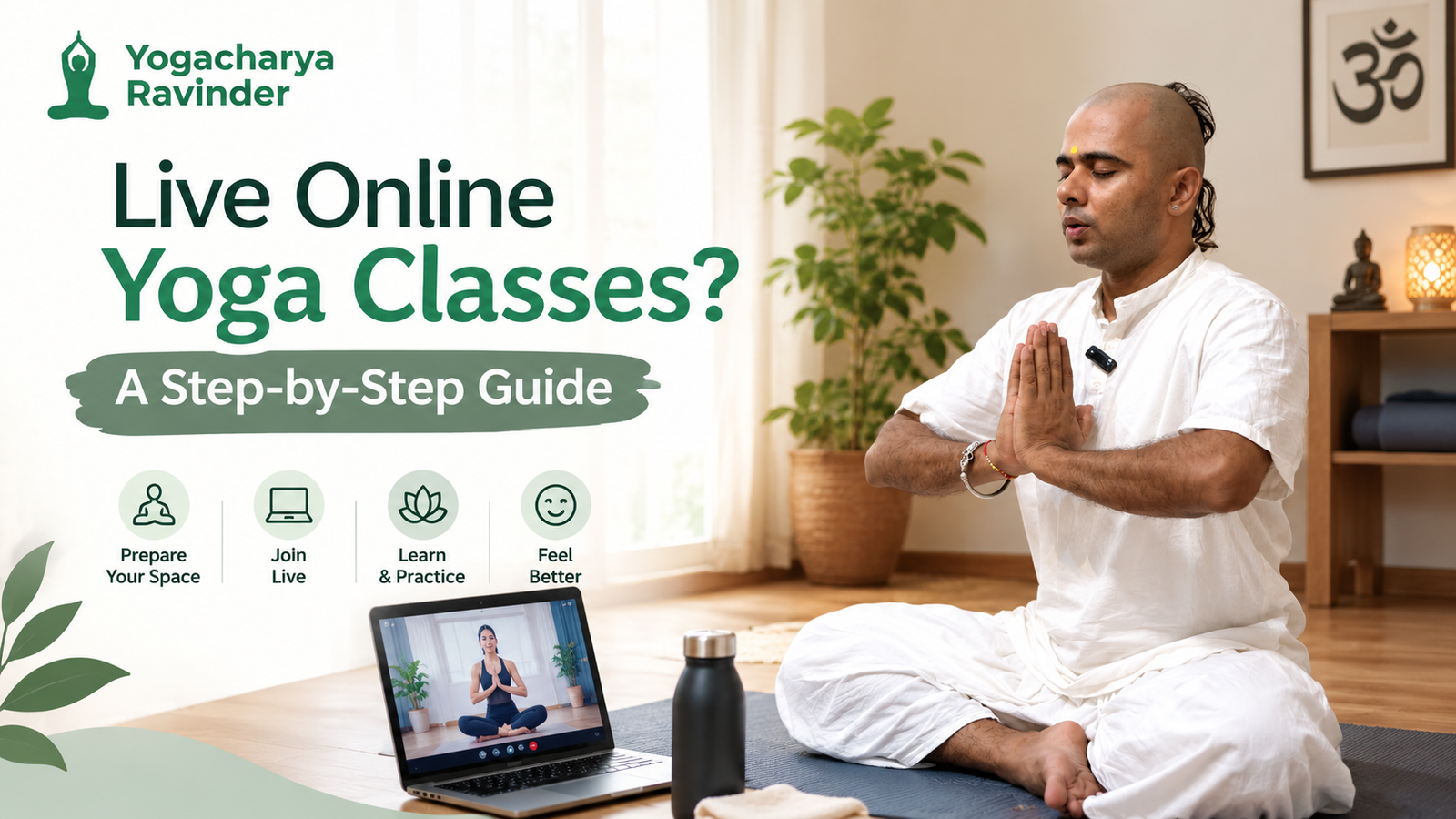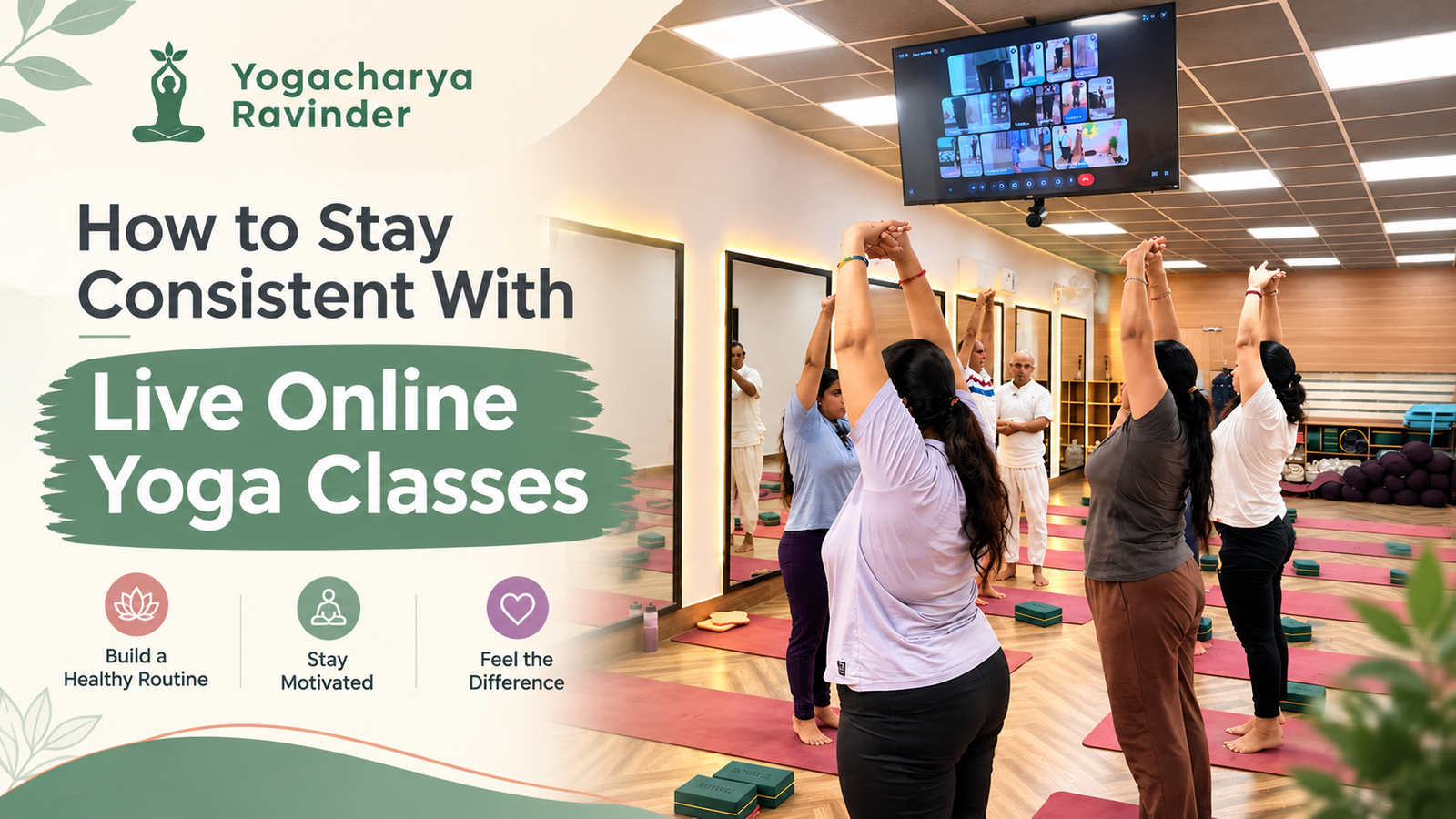
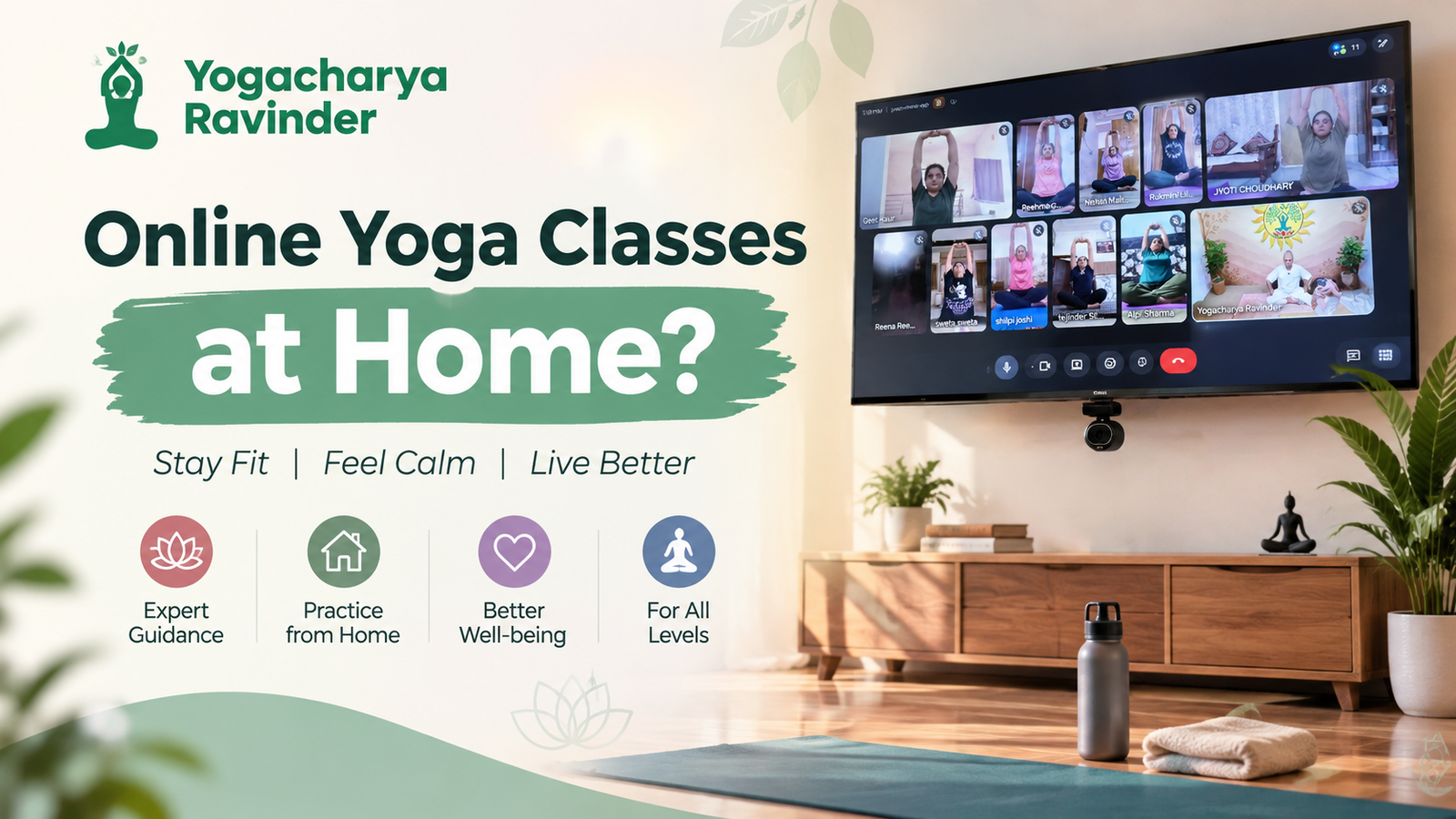
Starting a yoga practice at home has become easier with the availability of online sessions. Whether you want to improve flexibility, manage stress, build strength, or develop a healthier routine, you can practise yoga without travelling to a studio. However, many beginners wonder what equipment they need before joining a session.
The good news is that online yoga classes at home do not require an expensive setup or a large collection of accessories. With a comfortable space, a suitable yoga mat, and a few optional props, you can create a practical environment for your daily practice.
Understanding which items are essential and which are optional can help you prepare confidently. This guide explains the basic equipment, useful accessories, and simple setup tips to help you get started.
1. A Good-Quality Yoga Mat
A yoga mat is one of the most useful items for practising at home. It provides a defined practice area and helps improve comfort and grip while performing different postures.
When choosing a mat, consider the following factors:
- Grip: Select a mat that helps prevent your hands and feet from slipping.
- Thickness: A moderately cushioned mat can make kneeling and floor-based poses more comfortable.
- Material: Choose a material that is easy to clean and suitable for your practice.
- Size: Ensure the mat gives you enough room to stretch your arms and legs.
Beginners should prioritise comfort and stability rather than purchasing the most expensive mat. A suitable surface can make it easier to focus on posture, breathing, and movement during online sessions.
2. Comfortable Clothing
You do not need specialised or expensive yoga clothing to begin. Choose breathable, stretchable clothes that allow you to bend, stretch, sit, and move freely.
Avoid clothing that is excessively loose if it interferes with your movements or makes it difficult to observe your alignment on screen. Similarly, tight clothing that restricts breathing or movement may be uncomfortable.
Practising barefoot is common for many forms of yoga because it can improve contact with the mat. However, your comfort, balance, and the type of surface should guide your choice.
The main objective is to wear clothing that allows you to concentrate on the practice instead of constantly adjusting your outfit.
3. A Stable Chair for Support
A sturdy chair can be helpful for beginners, older adults, or people who find certain standing or seated postures challenging. It may also be useful during modified yoga exercises.
For example, a chair can provide support while practising gentle balance movements or seated stretches. However, always use a stable chair without wheels and place it on a non-slippery surface.
A chair is optional, not a requirement for every class. Follow your instructor’s guidance and avoid using it for movements beyond your current ability.
4. Yoga Blocks for Better Support
Yoga blocks can help make certain postures more accessible. They bring the floor closer to your hands and may provide support during standing poses, seated stretches, and balance exercises.
Beginners sometimes force themselves into a posture because they believe they must reach the floor. A block can help reduce this pressure and allow them to practise within a comfortable range of movement.
Foam and cork blocks are common options. Choose one that feels stable and is easy to handle.
You do not need to purchase blocks immediately. Many beginners can start with basic movements and add props later if their instructor recommends them.
5. A Yoga Strap or Belt
A yoga strap can help you work within your current flexibility. It is particularly useful for some seated stretches and mobility exercises where reaching your feet comfortably may be difficult.
A strap allows you to maintain a more manageable position without pulling aggressively on your muscles. If you do not own a yoga strap, a suitable non-elastic belt may work for certain gentle exercises under appropriate guidance.
Never use a strap to force a joint into a deeper stretch. Yoga should be practised with control, and stretching should not cause sharp pain.
6. A Cushion, Pillow, or Folded Blanket
Comfortable support can make seated meditation, breathing exercises, and relaxation more accessible. A cushion placed beneath the hips may help some people sit more comfortably. A folded blanket can provide light cushioning under the knees during suitable floor-based postures.
You can begin with household items rather than buying specialised equipment. Make sure any support is stable and does not slide unexpectedly. For relaxation at the end of a session, a small pillow or folded blanket can also improve comfort.
7. A Phone, Laptop, or Tablet
Since you are following a virtual instructor, you need a device that can display the class clearly. A phone is sufficient for many sessions, while a laptop or tablet may provide a larger view of the instructor.
Place your device on a stable surface where you can see demonstrations without repeatedly turning your head. If your instructor needs to observe your posture, position the camera so that your full body is visible when practical. Keep the device at a safe distance from your mat and make sure charging cables do not create a tripping hazard.
8. A Reliable Internet Connection
A stable internet connection helps you follow live instructions, watch demonstrations, and communicate with your instructor.
Before your session:
- Test your internet connection.
- Close unnecessary applications that may affect performance.
- Check your audio and camera if participation requires them.
- Keep your device charged or connected safely to power.
If you experience occasional connection problems, having a backup option, such as moving closer to your router, may help.
9. Water and a Small Towel
Keep water nearby so you can drink when needed. A small towel can also be useful for wiping sweat and keeping your hands comfortable.
Hydration needs vary according to the person, the room temperature, and the intensity of the session. Drink according to your needs, and avoid placing bottles where they may obstruct your movements.
You do not need additional fitness equipment for every yoga session. Simple accessories are often enough for a comfortable start.
10. How to Set Up Your Home Yoga Space
The space you choose can be just as important as the equipment you buy. Select a quiet area with sufficient room to extend your arms, stretch your legs, and change positions safely.
Use these simple tips:
- Choose a flat, stable, non-slippery floor.
- Move furniture and other obstacles away from the mat.
- Ensure adequate ventilation and comfortable lighting.
- Place your screen where you can see the instructor clearly.
- Keep frequently used props within easy reach.
- Silence unnecessary notifications to minimise distractions.
Your practice area does not have to look like a professional yoga studio. A clean corner of a room can be enough if it is safe and comfortable.
11. Do You Need to Buy Everything Before Your First Class?
No. One of the advantages of online yoga classes at home is that you can begin with a simple setup and gradually add equipment according to your needs.
Start with a suitable mat, comfortable clothing, a device, and enough clear space. Household cushions or folded blankets can provide additional support when appropriate.
After attending a few classes, you may discover that blocks, straps, or other accessories would make particular exercises more comfortable. Let your practice and your instructor’s recommendations guide your purchases.
If you are new to yoga, focus first on learning the basic postures, breathing techniques, and safe movement patterns. Equipment should support your practice rather than become a barrier to starting.
Conclusion
Preparing for online yoga classes at home does not have to be complicated or expensive. A suitable yoga mat, comfortable clothing, a reliable device, and a safe practice area can provide everything many beginners need to get started. Optional props such as blocks, straps, cushions, and chairs can be introduced as your needs develop.
Instead of waiting until you have the perfect equipment, begin with the essentials and focus on learning correct techniques. With a comfortable setup, appropriate guidance, and a realistic routine, home yoga can become a practical part of your lifestyle.
For more information about yoga practice and wellness, visitYogacharya Ravinder and explore the yoga and wellness blog collection.
Frequently Asked Questions
1. What equipment is essential for online yoga classes at home?
A suitable yoga mat, comfortable clothing, a device to follow the class, and a safe practice space are enough for many beginner sessions. Other accessories are optional.
2. Can I practise yoga at home without a yoga mat?
You may be able to practise certain gentle movements on a clean, non-slippery surface. However, a suitable yoga mat can provide additional grip and cushioning for many postures.
3. Do beginners need yoga blocks and straps?
No. Beginners can start without them. Blocks and straps may be useful when extra support or assistance with certain stretches is needed.
4. Is a phone enough for online yoga classes?
Yes. A phone can work well if the screen is visible and the device is positioned securely. A larger screen may make it easier to observe demonstrations.
5. How much space do I need for yoga at home?
You need enough clear space to lie down, extend your arms, stretch your legs, and change positions without hitting furniture or other objects.