Starting yoga for the first time can feel exciting, but it can also bring several questions. What should you wear? Do you need to be flexible? How long is a typical session? Can you keep up with the instructor? These are common concerns for beginners, especially when starting from home.
Today, yoga classes online have made it easier for beginners to learn yoga without traveling to a studio. You can practice in a familiar environment, choose suitable timings, and gradually build confidence with structured guidance.
Whether your goal is to improve flexibility, become more active, manage everyday stress, support mobility, or establish a healthier routine, your first online session can be a comfortable starting point when you know what to expect.
Why Are Online Yoga Classes Suitable for Beginners?
One of the biggest advantages of yoga classes online is accessibility. Beginners don’t necessarily need to live near a yoga studio to receive structured instruction. A comfortable space, yoga mat, and internet connection may be enough to begin.
Online learning can also remove some of the pressure beginners feel in a physical class. Practicing at home allows you to focus on learning movements without worrying about comparing yourself with other students.
Many online programs also offer different levels. A beginner session generally introduces basic movements, breathing techniques, warm-ups, and relaxation practices before gradually progressing toward more challenging sequences.
The important thing is to select a class that genuinely matches your current experience rather than choosing an advanced session simply because it looks impressive.
What Should You Prepare Before Your First Session?
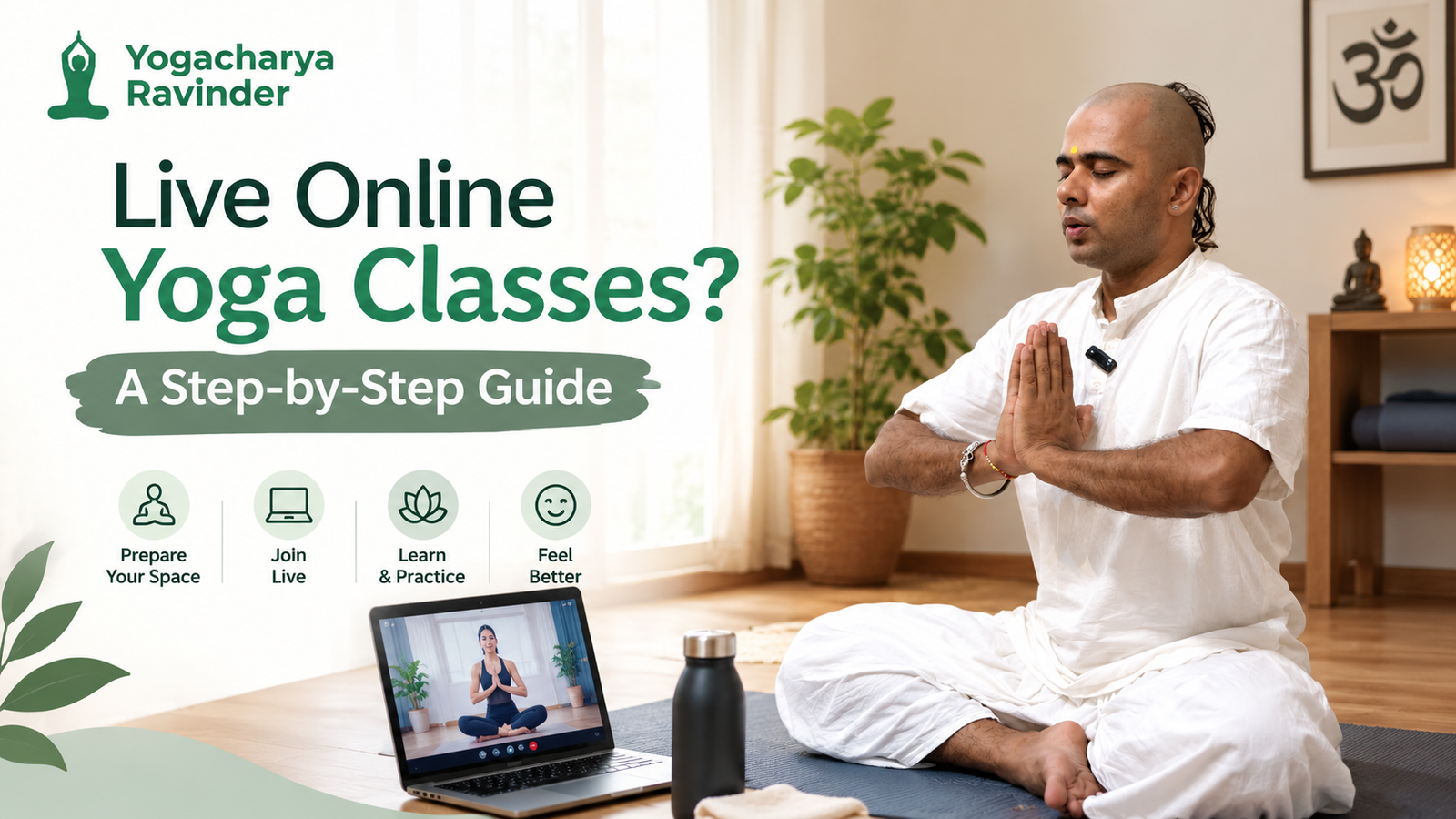
Preparation does not have to be complicated. Before joining yoga classes online, choose a clean and reasonably quiet area where you can move comfortably.
A yoga mat provides a stable surface, although beginners can initially use another suitable non-slip surface if necessary. Wear comfortable clothing that allows unrestricted movement.
Keep some water nearby, but avoid having a very heavy meal immediately before practice. Depending on the class, you may also want a small towel or cushion for comfort. Position your device so that you can clearly see the instructor. If possible, the instructor should also be able to see your body position during a live session.
What Happens During the First Class?
Your first session will usually begin with a brief introduction or preparation period. The instructor may explain the basic approach to the class and remind beginners to work within their comfortable range.
A warm-up can follow. Gentle movements help prepare the body for the main practice and allow you to become familiar with the instructor’s instructions.
You may then learn foundational poses such as Mountain Pose, Child’s Pose, Cat-Cow, a gentle Downward-Facing Dog, or simple standing movements. The exact sequence depends on the instructor and class style.
Breathing is another important part of beginner yoga. Rather than rushing through movements, you may be encouraged to coordinate movement with steady breathing. The session often ends with slower movements, relaxation, or a short period of mindful rest.
Do You Need to Be Flexible?
No. Flexibility is not a requirement for beginning yoga.
A common misconception is that someone must already be flexible to participate in yoga classes online. In reality, flexibility can develop gradually through appropriate and consistent practice.
Beginners should avoid forcing their body into a position simply because the instructor or another participant can move deeper. Everyone has different mobility, proportions, previous activity levels, and physical limitations.
The purpose of beginner practice is to understand the movements and develop body awareness rather than compete with others.
How Long Should a Beginner Practice?
The ideal duration depends on your schedule, experience, and comfort. A beginner may find a 15- to 30-minute session easier to maintain than immediately committing to a long practice.
As your routine develops, you can gradually increase the duration if it feels appropriate. Consistency is generally more practical than doing an extremely long session occasionally. A manageable schedule can help you develop yoga as a regular lifestyle habit.
What Are the Benefits of Practicing From Home?
Convenience is one of the main reasons people choose yoga classes online. There is no need to spend time traveling to a studio, finding parking, or adjusting your schedule around commuting.
Home practice can also provide flexibility. Depending on the program, you may find morning, evening, or weekend sessions that fit your routine.
Regular yoga practice can support flexibility, balance, mobility, strength, relaxation, and body awareness. Breathing and mindfulness practices may also provide a useful opportunity to slow down and focus.
However, yoga should be practiced appropriately. If you have an injury, medical condition, or significant physical limitation, seek suitable professional advice before beginning a new exercise routine.
How to Choose Beginner-Friendly Online Yoga Classes
Not every online class is designed for beginners. Before joining, check the description and identify the intended experience level.
A beginner-friendly instructor should explain movements clearly rather than assuming that students already understand yoga terminology.
Look for classes that include:
- Clear instructions
- Appropriate warm-ups
- Breathing guidance
- Beginner modifications
- Reasonable pacing
- Relaxation or cooldown
- Opportunities to ask questions in live sessions
Instructor experience is also worth considering. A good teacher should encourage students to listen to their bodies and avoid pushing beyond a comfortable range.
Live Classes or Recorded Videos?
Both formats have advantages.
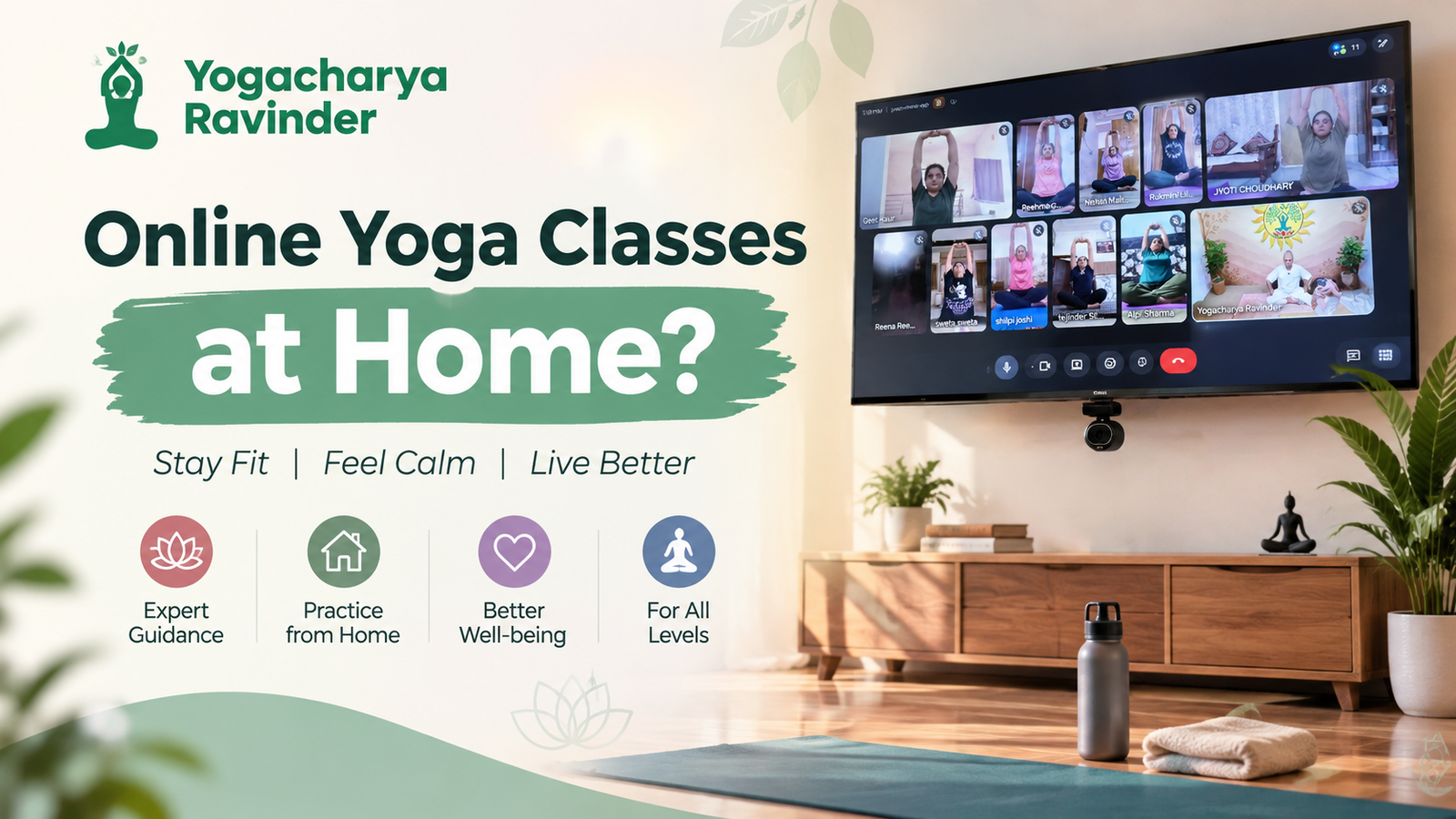
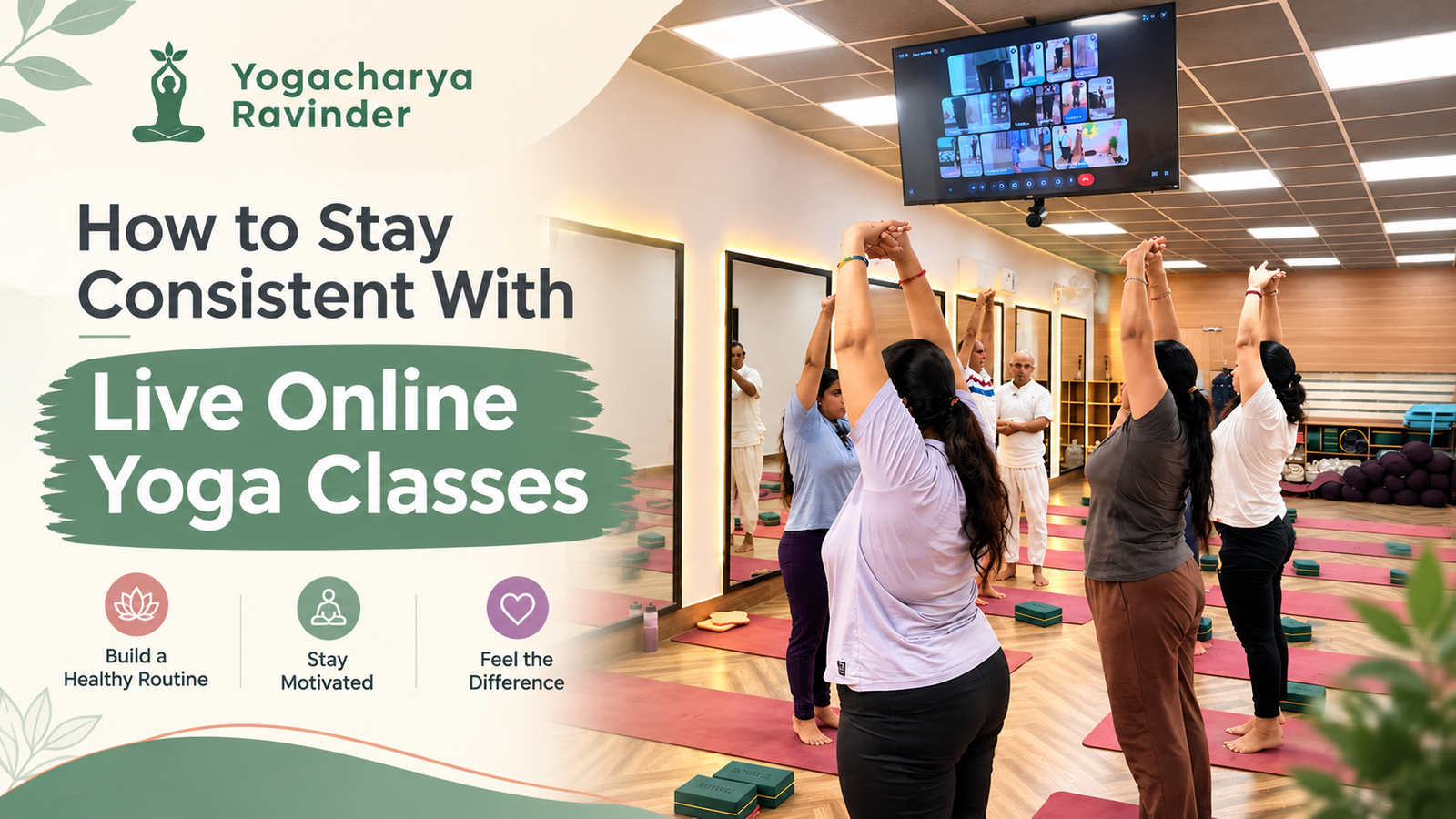
Live yoga classes online allow students to interact with an instructor in real time. This can make the experience more engaging and can provide opportunities for questions or corrections.
Recorded sessions provide flexibility. You can practice whenever your schedule allows and repeat a class when you want to review the basics.
For someone completely new to yoga, live instruction can be particularly helpful because the instructor can explain techniques as they happen. However, a combination of live and recorded resources can also work well.
Common Beginner Mistakes to Avoid
Beginners sometimes make the mistake of trying to perform advanced poses too quickly. Yoga is not about forcing the body into difficult positions.
Another common mistake is holding the breath during challenging movements. Breathing should remain steady and comfortable.
Skipping warm-ups can also make a session feel unnecessarily difficult. Similarly, practicing inconsistently can make it harder to develop familiarity with the movements.
When using yoga classes online, avoid comparing your progress with other participants. Your practice should be based on your own abilities and gradual development.
How to Build a Regular Yoga Routine
For example, you could begin with three sessions per week and increase your frequency gradually if it fits your lifestyle. Keep your mat and basic equipment accessible. Having a dedicated practice area can reduce the effort required to get started.
If you want to explore more practical tips for building a consistent yoga routine, read our guide on online yoga classes for weight loss.
You can also combine yoga with other healthy activities such as walking, strength training, or mobility exercises.
Conclusion
Starting yoga classes online can be a practical way for beginners to introduce yoga into everyday life. You can learn from home, choose suitable timings, and progress gradually without needing to travel to a physical studio.
Your first session does not need to be perfect. Focus on understanding basic movements, breathing comfortably, listening to your body, and building confidence. With appropriate guidance and consistent practice, yoga can become a sustainable part of your overall wellness routine.
Frequently Asked Questions
1. Are yoga classes online suitable for complete beginners?
Yes. Many programs are specifically designed for beginners and introduce fundamental postures, breathing techniques, and basic sequences. Choose a class clearly labeled for your experience level.
2. What equipment do I need for online yoga?
A yoga mat and comfortable clothing are usually sufficient. Some classes may use blocks, straps, cushions, or blankets, but these are not always necessary for beginners.
3. How often should beginners practice yoga?
A realistic starting point may be two to three sessions per week. The best schedule is one that you can maintain consistently and comfortably.
4. Can I practice yoga at home without being flexible?
Yes. Flexibility is not a prerequisite for yoga. Beginners should focus on comfortable movement, breathing, alignment, and gradual progress rather than forcing stretches.
5. Are live online classes better than recorded classes?
They serve different purposes. Live sessions provide interaction and real-time guidance, while recorded classes offer greater scheduling flexibility. Your choice can depend on your learning style and routine.