It’s Not Just “Irregular Periods”
For many girls, it doesn’t start as something serious. Maybe your periods get delayed once, then twice. You notice sudden weight gain even though your routine hasn’t changed much. Acne appears out of nowhere, mood swings become frequent, and energy levels drop.
You might hear people say, “It’s normal” or “It will fix itself.” But deep down, you know something feels off. This is where conditions like PCOS and PCOD quietly enter your life.
The problem is not just physical it’s emotional too. Feeling tired all the time, struggling with body image, dealing with unpredictable cycles it affects confidence. That’s why finding a natural and sustainable solution becomes so important.
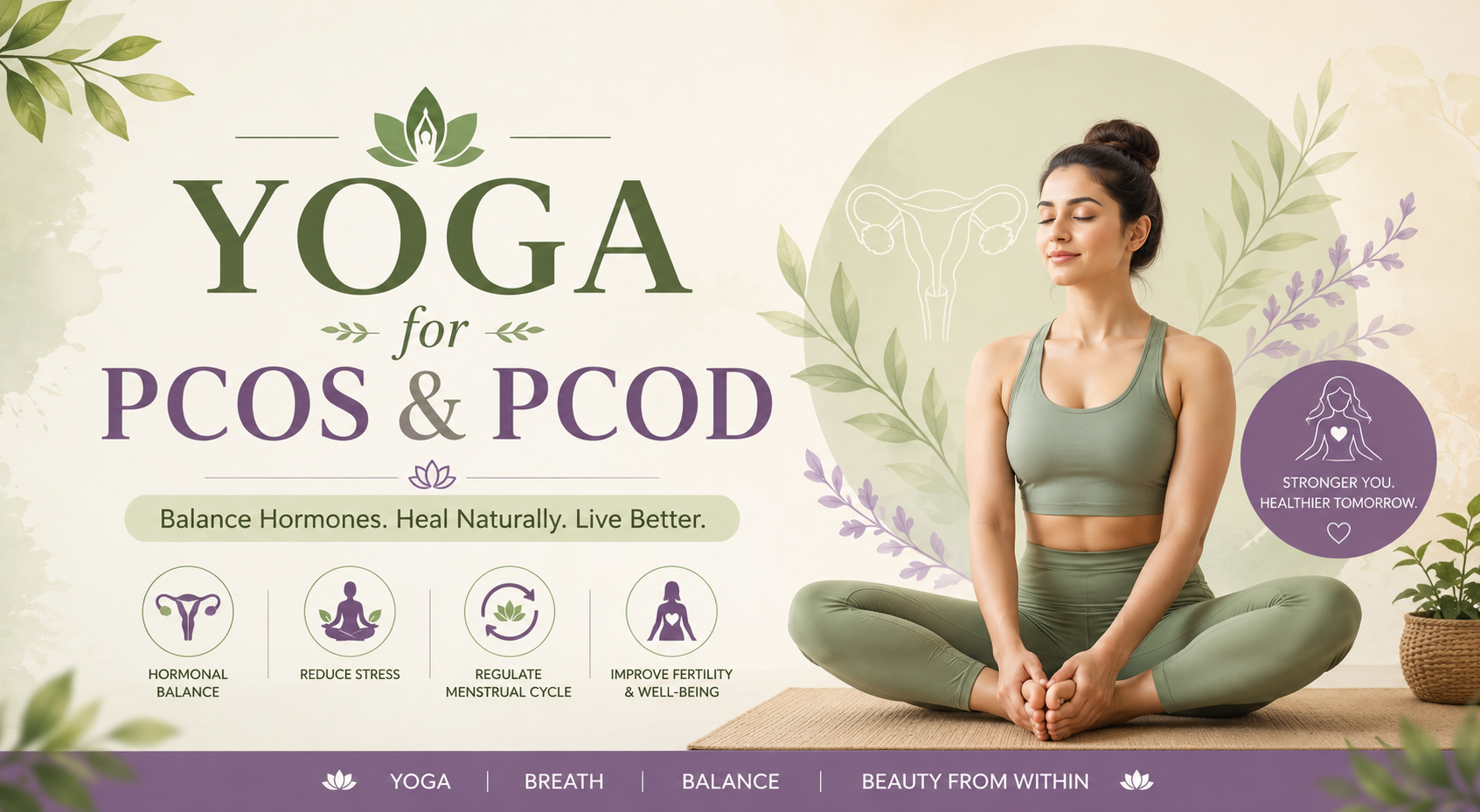
This is where yoga for PCOS and PCOD can truly make a difference not as a quick fix, but as a long-term healing approach. It also acts as hormone balance yoga, helping your body naturally restore stability.
Understanding PCOD: A Lifestyle-Linked Condition
PCOD (Polycystic Ovarian Disease) is generally considered a lifestyle-related condition where the ovaries produce immature eggs that fail to release properly. These eggs turn into small cysts, which disrupt ovulation and cause irregular menstrual cycles. The hormonal imbalance in PCOD is usually mild, which means it can often be managed effectively with the right approach.
Many women with PCOD experience symptoms such as:
- Irregular or delayed periods
- Mild weight gain
- Low energy or fatigue
- Occasional acne or skin changes
The positive aspect of PCOD is that it responds well to lifestyle improvements. With regular yoga, better eating habits, and stress control, the body can gradually return to balance. With a consistent PCOD yoga routine, many women see improvement in cycle regularity, energy levels, and overall health.
Understanding PCOS: A Deeper Hormonal Disorder
PCOS (Polycystic Ovary Syndrome) is a more complex hormonal condition where the body produces higher levels of androgens. This imbalance does not just affect the menstrual cycle it impacts multiple systems in the body.
Common symptoms of PCOS include:
- Rapid weight gain, especially around the abdomen
- Persistent acne and oily skin
- Unwanted facial or body hair
- Highly irregular or missed periods
Because PCOS affects metabolism and hormones more deeply, it requires consistency and long-term lifestyle management. However, with the right routine, it can be controlled effectively. In such cases, combining lifestyle changes with PCOS weight loss yoga can help manage symptoms more effectively and support long-term balance.
How Yoga Helps in PCOS and PCOD
Yoga works differently from regular exercise. It doesn’t just focus on burning calories it works on your internal system. Yoga for PCOS and PCOD works differently from regular exercise. It doesn’t just focus on burning calories it works on your internal system.
First, yoga helps reduce stress levels. When your body relaxes, your hormone production starts stabilizing. This alone can bring noticeable changes in your cycle and mood.
Second, certain yoga poses improve blood circulation to the pelvic area. This supports ovarian function and helps regulate periods naturally.
Third, yoga improves metabolism. This helps your body process food better and prevents unnecessary fat storage.
Yoga works as a holistic approach that supports the body from within. Instead of focusing only on physical exercise, it addresses stress, hormones, and internal balance together.
Regular practice of yoga for PCOS and PCOD can:
- Reduce stress levels and calm the nervous system
- Improve blood circulation in the pelvic area
- Support hormonal balance naturally
- Enhance metabolism and digestion
- Improve mental clarity and emotional stability
This is why yoga is considered one of the most effective natural methods for managing these conditions.In simple terms, yoga addresses the root problem, not just the symptoms. This is why many experts consider yoga as one of the best forms of hormone balance yoga.
Real Problems Girls Face (And How Yoga Helps)
1. Irregular Periods & Cycle Confusion
This is usually the first and most noticeable sign. Your cycle becomes unpredictable—sometimes delayed, sometimes skipped which creates constant stress and confusion. In PCOS, this problem can be more severe due to hormonal imbalance affecting ovulation regularly. Over time, this irregularity can impact both physical and mental health.
Yoga helps by improving blood circulation to the reproductive organs and supporting natural hormone regulation. With consistent practice, the body slowly starts moving toward a more stable and regular cycle. Regular practice of yoga for irregular periods helps restore cycle balance over time.
2. Weight Gain That Won’t Go Away
Many girls struggle with weight gain, especially around the belly, even when their diet hasn’t changed much. In PCOS, this is often linked to insulin resistance, making weight loss even more difficult. This can feel frustrating because efforts don’t always show results quickly.
Yoga supports metabolism and helps the body use energy more efficiently. It also reduces stress hormones that contribute to fat storage, leading to gradual and sustainable weight management. This is where PCOS weight loss yoga plays an important role in improving metabolism naturally.
3. Mood Swings, Anxiety & Emotional Imbalance
Hormonal imbalance doesn’t just affect the body it directly impacts your emotions. You may feel irritated, anxious, or low without any clear reason, which is very common in PCOS as well. These mood changes can affect daily life, relationships, and confidence.
Yoga, especially breathing and relaxation techniques, helps calm the nervous system. It reduces stress levels and brings emotional stability, making it easier to handle everyday situations.
4. Low Energy, Fatigue & Lack of Motivation
Feeling tired all the time is another common issue, even if you’re getting enough rest. This happens because hormonal imbalance affects how your body produces and uses energy. In PCOS, fatigue can feel more intense due to metabolic slowdown.
Yoga improves oxygen flow and activates the body gently without exhausting it. Regular practice helps increase energy levels naturally, making you feel more active and motivated throughout the day.
5. Acne, Hair Fall & Unwanted Hair Growth (PCOS)
Skin problems like acne and excessive oiliness are very common, especially in PCOS due to higher androgen levels. Many girls also experience hair fall or unwanted facial hair, which can affect self-confidence. These issues are often difficult to manage with external treatments alone.
Yoga helps by balancing hormones internally and reducing stress, which is a major trigger for skin issues. Over time, improved blood circulation and hormonal stability reflect in healthier skin and better hair condition.
Simple PCOD Yoga Routine You Can Start Today
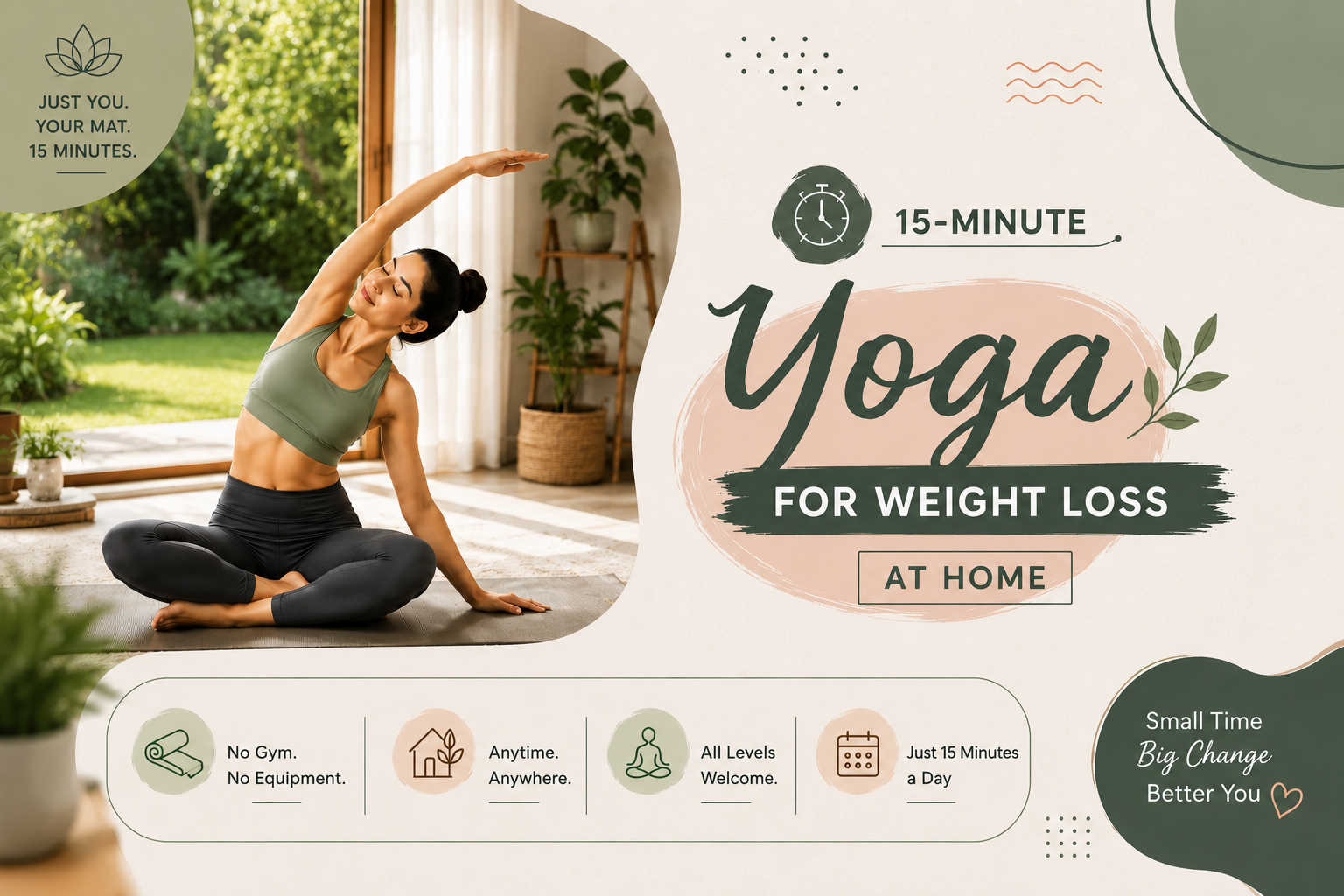
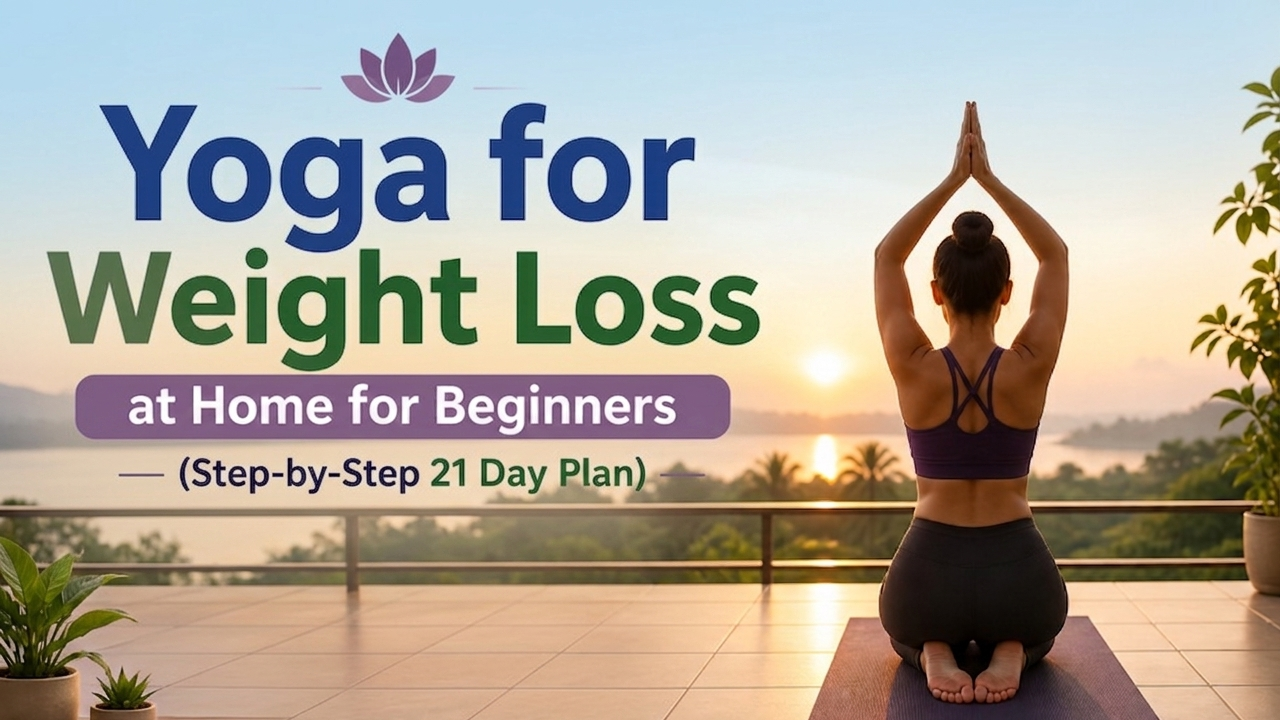
You don’t need a complicated routine. A simple 15–20 minute routine is enough to begin. If you’re just starting, you can also follow a step-by-step plan like yoga for weight loss at home for beginners to build a strong foundation.
Start with:
- Light stretching to relax your body
- A few rounds of flowing movements to activate muscles
- Poses that engage your core and lower body
- End with deep breathing and relaxation
The goal is not to push hard, but to stay consistent. Even a short daily routine can bring results over time.This beginner-friendly PCOD yoga routine is easy to follow at home and highly effective when done consistently. If you want a more structured approach, you can explore our discount pricing plans designed for beginners and PCOS/PCOD management.
The Role of Breathing (Often Ignored but Powerful)
Most people focus only on yoga poses, but breathing plays an equally important role. In PCOS and PCOD, stress hormones like cortisol remain high, which affects hormonal balance. Shallow breathing keeps the body in a constant stress state.
Deep, controlled breathing helps calm the nervous system, improve oxygen flow, and support hormone regulation.
Solution:
Practicing mindful breathing for even 5–10 minutes daily can make a noticeable difference. Techniques like slow inhaling, holding, and controlled exhaling help calm your system and support long-term hormonal balance. Breathing techniques are a core part of hormone balance yoga, helping reduce stress hormones naturally.
Conclusion
Living with PCOS or PCOD can feel overwhelming, but with the right approach, your body can heal and regain balance. Yoga for PCOS and PCOD offers a natural, sustainable way to improve your cycles, manage weight, and feel better overall.
Stay consistent, be patient, and trust the process real results take time but they last. If you need proper guidance, contact us today and we’ll help you create a personalized routine that works for you.
Frequently Asked Questions
1. Can yoga really help balance hormones in PCOS and PCOD?
Yes, yoga can play a strong role in improving hormonal balance. It works by reducing stress, which is one of the main triggers of hormone disruption. Regular practice also improves blood circulation and supports better ovarian function. While it is not an instant cure, consistent yoga helps reduce symptoms and improves overall health over time.
2. How often should I practice yoga for PCOS and PCOD to see results?
For best results, yoga should be practiced daily, even if it’s only for 15–20 minutes. Consistency is more important than long sessions. Most people start noticing improvements in energy and mood within a few weeks, while hormonal changes like regular periods may take a few months.
3. Which type of yoga is best for weight loss in PCOS?
A combination of gentle flow-based yoga and strength-focused poses works best for PCOS weight loss. This helps improve metabolism and reduce stress-related fat storage. Unlike intense workouts, yoga supports gradual and sustainable weight management without putting extra pressure on the body.
4. Can yoga help regulate irregular periods naturally?
Yes, yoga for irregular periods helps improve blood flow to the pelvic region and supports hormone regulation. Certain poses and breathing techniques help the body restore its natural rhythm over time. With regular practice, many women notice better cycle consistency.
5. Is it safe to start yoga at home for PCOS and PCOD beginners?
Yes, yoga is completely beginner-friendly and can be safely practiced at home. You don’t need any equipment or advanced training to begin. Starting with a simple routine and focusing on consistency is enough to see results. If needed, you can always take guidance to improve your practice.