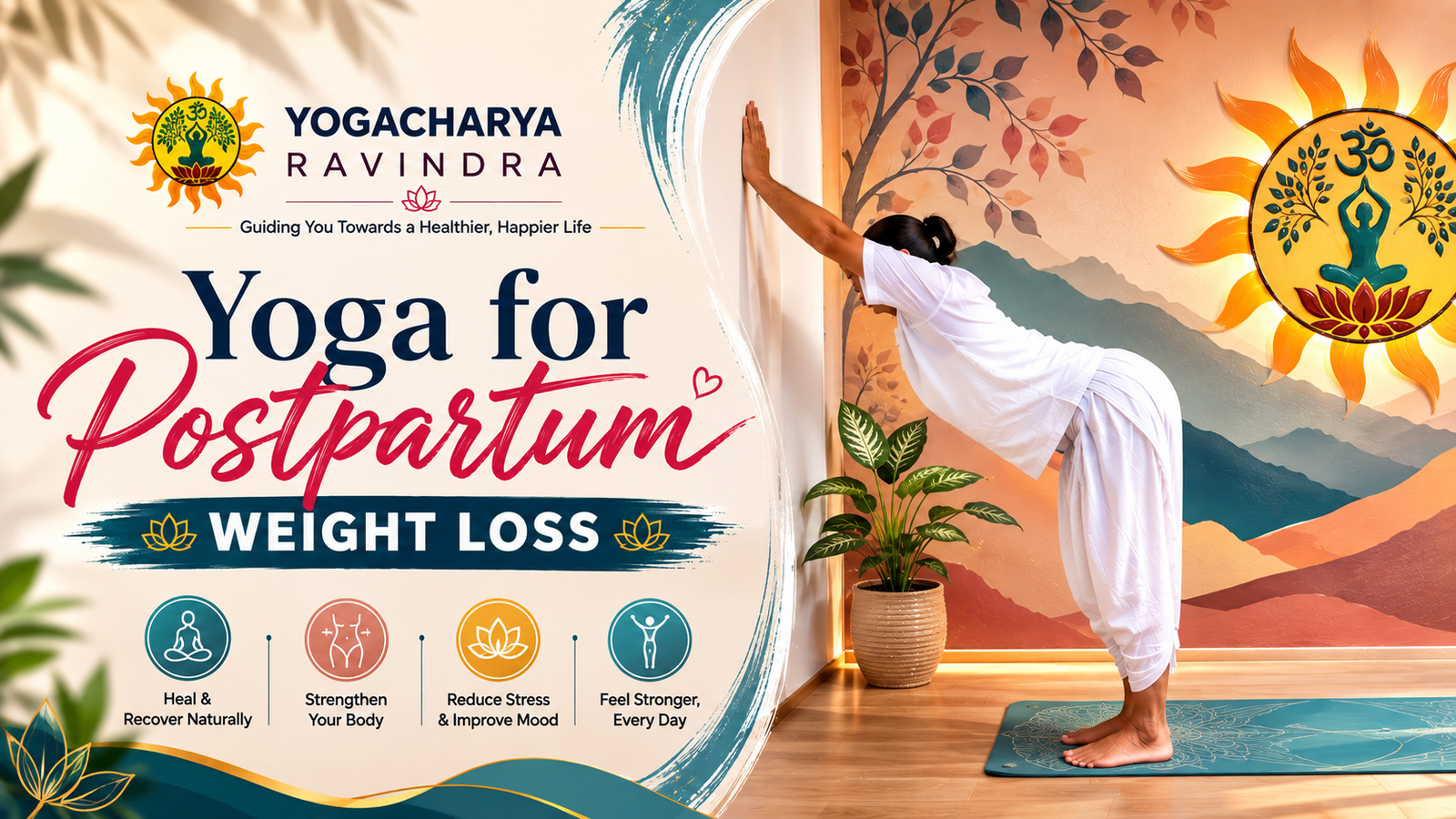
Bringing a baby into the world is one of life’s most rewarding experiences, but it also brings significant physical and emotional changes. Many women notice that losing pregnancy weight takes time and wonder when it is safe to begin exercising again. If you are looking for a gentle yet effective way to regain strength, improve flexibility, and gradually shed extra weight, Yoga for Postpartum Weight Loss can be an excellent choice.
Unlike intense workouts that may place stress on a recovering body, yoga focuses on healing first. It helps strengthen weakened muscles, improve posture, restore core stability, reduce stress, and support healthy weight loss naturally.
This guide explains everything you need to know about postpartum yoga, including when to begin, the best yoga poses, safety tips, and how yoga supports long-term recovery.
Why Weight Loss After Pregnancy Takes Time
After childbirth, your body needs time to heal. Pregnancy stretches abdominal muscles, weakens the pelvic floor, changes hormone levels, and affects metabolism. Weight loss is influenced by several factors, including:
- Hormonal changes
- Sleep deprivation
- Breastfeeding
- Reduced physical activity
- Emotional stress
- Nutritional needs for recovery
It is important to remember that postpartum weight loss is not about quick fixes. A gradual and sustainable approach is healthier for both mother and baby.
Yoga encourages this balanced recovery by combining movement, breathing, and mindfulness.
Is Yoga Safe After Childbirth?
Yes, Yoga for Postpartum Weight Loss is generally safe, but only after receiving clearance from your healthcare provider.
After a Normal Delivery
Most women can begin gentle breathing exercises and light stretching after 4–6 weeks, depending on recovery.
After a C-Section
Recovery usually takes longer. Most healthcare professionals recommend waiting around 8–12 weeks before starting yoga, depending on healing and medical advice.
Never rush into advanced poses or intense core exercises. Recovery should always come first.
Benefits of Yoga for Postpartum Weight Loss
1. Helps Burn Calories Naturally
Although yoga is gentle, consistent practice improves metabolism and supports gradual fat loss. Dynamic styles such as Vinyasa or Power Yoga can increase calorie expenditure once your body is ready.
A healthy metabolism plays an important role in gradual postpartum weight loss. Regular yoga helps improve circulation, muscle activity, and overall energy expenditure. You can also learn more about how yoga improves metabolism and why it supports sustainable weight management.
2. Strengthens Core Muscles
Pregnancy stretches abdominal muscles, and many women experience reduced core strength afterward.
Yoga gently rebuilds:
- Deep abdominal muscles
- Lower back
- Pelvic floor
- Hip stability
This helps flatten the abdomen over time while improving posture.
3. Improves Hormonal Balance
Hormonal fluctuations can make weight loss more difficult after childbirth. Yoga reduces stress hormones and supports overall hormonal balance, making it easier for the body to recover.
4. Reduces Stress Eating
New mothers often experience emotional stress and sleep deprivation, which can trigger unhealthy eating habits. Yoga encourages mindfulness, helping you recognize hunger cues and reduce emotional eating.
5. Improves Sleep Quality
Even though caring for a newborn affects sleep, regular yoga promotes deeper relaxation and better-quality rest whenever opportunities arise. Better sleep supports healthier metabolism and recovery.
6. Supports Mental Well-being
Many women experience anxiety, mood swings, or postpartum stress. Yoga combines physical movement with breathing exercises that calm the nervous system and improve emotional health.
7. Improves Flexibility and Mobility
Carrying a baby, feeding, and long hours of sitting can create stiffness in the neck, shoulders, and back. Yoga relieves tension while improving flexibility and posture.
Best Yoga Poses for Postpartum Weight Loss
1. Cat-Cow Pose (Marjaryasana-Bitilasana)
Benefits:
- Strengthens the spine
- Improves flexibility
- Activates abdominal muscles
- Reduces back pain
Practice for 8–10 slow rounds.
2. Child’s Pose (Balasana)
Benefits:
- Relaxes the body
- Reduces stress
- Stretches the lower back
- Improves breathing
Hold for 1–2 minutes while breathing deeply.
3. Bridge Pose (Setu Bandhasana)
Benefits:
- Strengthens glutes
- Activates the core
- Improves pelvic stability
- Supports lower back health
Hold for 20–30 seconds.
4. Mountain Pose (Tadasana)
Benefits:
- Improves posture
- Builds body awareness
- Strengthens legs
- Engages core muscles
Practice with slow breathing for one minute.
5. Warrior II (Virabhadrasana II)
Benefits:
- Burns calories
- Strengthens legs
- Improves endurance
- Increases balance
Hold each side for 20–30 seconds.
6. Cobra Pose (Bhujangasana)
Benefits:
- Strengthens back muscles
- Opens the chest
- Improves posture
- Supports spinal flexibility
Avoid if advised by your healthcare provider after surgery.
7. Legs-Up-the-Wall Pose (Viparita Karani)
Benefits:
- Reduces swelling
- Improves circulation
- Relaxes the nervous system
- Helps reduce fatigue
Hold for 5–10 minutes.
Breathing Exercises That Support Postpartum Recovery
Breathing techniques are an essential part of Yoga for Postpartum Weight Loss because they help restore core engagement and reduce stress.
Diaphragmatic Breathing
Improves core activation and relaxation.
Deep Belly Breathing
Supports abdominal recovery and mindful breathing.
Nadi Shodhana (Alternate Nostril Breathing)
Reduces anxiety and promotes emotional balance.
Avoid forceful breathing techniques until fully recovered.
Sample 20-Minute Postpartum Yoga Routine
Warm-Up (5 Minutes)
- Deep breathing
- Neck rolls
- Shoulder rotations
- Gentle spinal movements
Yoga Practice (10 Minutes)
- Cat-Cow
- Child’s Pose
- Mountain Pose
- Warrior II
- Bridge Pose
Relaxation (5 Minutes)
- Legs-Up-the-Wall
- Guided relaxation
- Deep breathing
Practicing this routine 4–5 days a week can support gradual recovery and healthy weight management.
Nutrition Tips to Support Postpartum Weight Loss
Yoga works best when combined with healthy eating habits.
Include:
- Protein-rich foods
- Fresh fruits and vegetables
- Whole grains
- Healthy fats
- Plenty of water
Avoid:
- Crash diets
- Skipping meals
- Excess sugar
- Processed snacks
If you are breastfeeding, ensure your diet provides enough calories and nutrients to support both you and your baby.
Common Mistakes to Avoid
Many new mothers unknowingly slow their recovery by making these mistakes:
- Starting intense workouts too early
- Ignoring medical advice
- Comparing progress with others
- Skipping warm-ups
- Practicing advanced yoga poses before rebuilding core strength
- Not getting enough hydration
- Expecting rapid weight loss
Patience and consistency are key to long-term success.
How Long Does It Take to Lose Postpartum Weight with Yoga?
There is no single timeline because every woman’s recovery is different. Factors such as delivery type, sleep, nutrition, breastfeeding, hormones, and activity levels all influence progress.
With consistent yoga practice, balanced nutrition, and healthy lifestyle habits, many women begin noticing improvements in:
- Energy levels within a few weeks
- Flexibility and posture after regular practice
- Core strength over several weeks
- Gradual weight loss over a few months
The focus should be on overall health and recovery rather than only the number on the scale.
Who Should Avoid Postpartum Yoga?
Consult your healthcare provider before starting yoga if you have:
- Severe abdominal pain
- Heavy postpartum bleeding
- Surgical complications
- Unhealed C-section incision
- Pelvic floor disorders requiring specialized treatment
- Fever or infection
- Uncontrolled high blood pressure
A certified yoga instructor can also help modify poses based on your recovery stage.
Why Consistency Matters More Than Intensity
One of the biggest misconceptions about weight loss after pregnancy is that harder workouts produce faster results. In reality, consistency is far more important.
Practicing Yoga for Postpartum Weight Loss for 20–30 minutes several times a week can gradually improve strength, flexibility, posture, stress levels, and overall well-being. These positive changes support sustainable weight loss while respecting your body’s healing process. Following a structured yoga program under the guidance of Yogacharya Ravindra can also help new mothers practice safely and stay consistent throughout their recovery journey.
Rather than aiming for perfection, focus on creating a routine that fits your lifestyle as a new mother.
Conclusion
Yoga for Postpartum Weight Loss offers a safe and holistic way to regain strength, improve mobility, and support gradual weight loss after pregnancy. Instead of focusing only on burning calories, yoga helps restore core stability, improve posture, reduce stress, and promote overall recovery.
Every postpartum journey is unique. Progress may be slow, especially while adjusting to the demands of caring for a newborn, but consistent practice combined with proper nutrition, adequate rest, and medical guidance can lead to lasting improvements in both physical and emotional health.
Remember, postpartum recovery is not about returning to your pre-pregnancy body as quickly as possible. It is about building a stronger, healthier version of yourself while giving your body the time and care it deserves.
Frequently Asked Questions
1. When can I start Yoga for Postpartum Weight Loss?
Most women can begin gentle yoga after 4–6 weeks following a normal delivery, while those who have had a C-section may need to wait 8–12 weeks or until their healthcare provider confirms it is safe. Always follow personalized medical advice.
2. Can yoga help reduce postpartum belly fat?
Yoga can strengthen the abdominal muscles, improve posture, and support overall fat loss when paired with balanced nutrition and regular activity. Spot reduction is not possible, but consistent practice contributes to gradual changes over time.
3. Which yoga poses are best for postpartum recovery?
Beginner-friendly poses such as Cat-Cow, Child’s Pose, Bridge Pose, Mountain Pose, Warrior II, and Legs-Up-the-Wall are commonly recommended because they gently rebuild strength, improve flexibility, and encourage relaxation.
4. Is yoga safe while breastfeeding?
Yes. Gentle yoga is generally safe during breastfeeding. Stay well hydrated, wear comfortable clothing, and avoid poses that cause discomfort in the chest. Nursing your baby before practice may also help you feel more comfortable.
5. How often should I practice Yoga for Postpartum Weight Loss?
Aim for 20–30 minutes of yoga, 3–5 times a week. Regular, moderate practice is more effective and sustainable than occasional intense sessions, especially during the postpartum recovery period.